
Introduction
In today’s ever-changing world of medicine, disposable medical products play a very crucial role in providing cleanliness, safety, and efficiency in the hospital environment. This is due to the fact that these products are made for one-time use only, ensuring no infections.
However, with such a wide range of hospital disposable products and healthcare consumables on offer, how does one choose the best among them in 2026? Let’s find out.
1. Medical Disposable Products: What They Are
Disposable medical products are one-time use articles that are applied in hospitals to ensure hygiene and avoid contamination.
They include:
- Gloves
- Masks
- Syringes
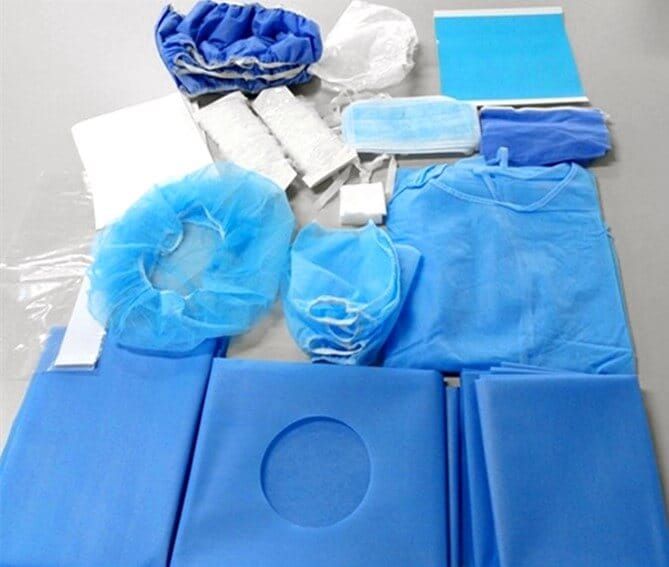
- Surgical Gowns
Consider them similar to tissues since you only use them once before disposing of them for cleanliness purposes.
2. Types of Hospital Disposable Supplies
Hospital disposables play an important part in hospitals’ activities.
There are numerous types that include:
- Protection products: Gloves, masks, caps
- Surgical materials: Drapes, gowns, blades
- Care products: Sheets, bed pans, urine bags
- Diagnostic products: Test kits, swabs
All types contribute significantly to patients’ safety.
3. Importance of Healthcare Consumables
Healthcare consumables form the very core of the operations within hospitals.
What makes them essential?
- Maintenance of hygienic standards
- Facilitation of clinical procedures
- Enhancement of operational efficiencies
Their absence would make simple procedures hazardous.
4. Benefits of Medical Disposable Products
The use of medical disposable supplies has numerous benefits:
- Reduction in infections
- Ease of use without sterilization
- Quick availability
- Economical due to reduced maintenance costs
It is akin to using disposable dishes during a large gathering.
5. Infection Control with Disposable Supplies
Infection control is one of the most important advantages of disposable supplies in hospitals.
Bacteria and viruses abound in hospitals. Using disposable supplies:
- Removes risk of contamination from repeated use
- Ensures sterile surroundings
- Keeps everyone safe
Especially in intensive care units and operation theaters.
6. Choosing the Right Hospital Disposable Supplies
Selecting the right hospital disposable supplies is crucial.
Key factors to consider:
- Quality of materials
- Certifications (ISO, CE, FDA)
- Supplier reliability
- Cost
Always prioritize safety over price.
7. Quality Standards for Healthcare Consumables
Seek products that contain:
- Top-notch quality materials
- Are sterile
- Meet regulations
Substandard products pose significant health hazards.
8. Cost vs Efficiency in Disposable Products
When purchasing medical disposable products, finding a balance between price and efficiency is essential.
Substandard products are likely to:
- Ruin easily
- Negatively affect safety
9. Eco-Friendly Medical Disposable Products
Sustainability is gaining importance in 2026.
Many hospitals are increasingly opting for:
- Biodegradable gloves
- Recycling packaging
- Environmentally friendly materials
This assists in minimizing medical waste and environmental damage.
10. Latest Trends in Healthcare Consumables 2026
The healthcare consumables market is experiencing dynamic changes.
Current trends encompass:
- Intelligent disposables
- Antimicrobial substances
- Sustainable products
- Automated manufacturing
These developments are paving the way for future healthcare advancements.
11. Storage & Handling of Disposable Supplies
Good storage is necessary for hospital disposable supplies.
Good practices include:
- Storing in clean, dry places
- Preventing direct sunlight exposure
- Maintaining correct inventory
12. Bulk Purchasing Strategies
Incorrect storage may influence product quality.
Purchasing medical disposable products in bulk will reduce expenses.
Recommendations:
- Bargaining with suppliers
- Checking expiry dates
- Ensuring stock rotation
Bulk purchasing guarantees continuous supply.
13. Role of Suppliers & Manufacturers
Reliable suppliers are critical in delivering healthcare consumable products.
An ideal supplier will:
- Be reliable
- Deliver quality
- Provide reasonable prices
Developing excellent relations is crucial.
14. Challenges in Managing Disposable Supplies
Managing hospital disposable supplies may not be an easy task.
Some of the challenges include:
- Stocking problems
- Increasing costs
- Waste disposal
Effective planning may help overcome these challenges.
15. Future of Medical Disposable Products
The future is bright for medical disposable products.
They will:
- Become more environmentally friendly
- Use advanced materials
- Utilize automation
For safety and efficiency reasons, hospitals will still use disposable products extensively.
Conclusion
Medical disposable products play an increasingly significant role in 2026. They guarantee safety, enhance efficiency, and facilitate the operations of modern medical facilities. The choice of proper hospital disposable products ensures top-notch service with maintaining appropriate hygienic standards.
It is all about quality and safety.